
Bridging Borders: The Importance of Cross-Border Logistics Between the Philippines and Canada
Updated: Aug 6, 2025
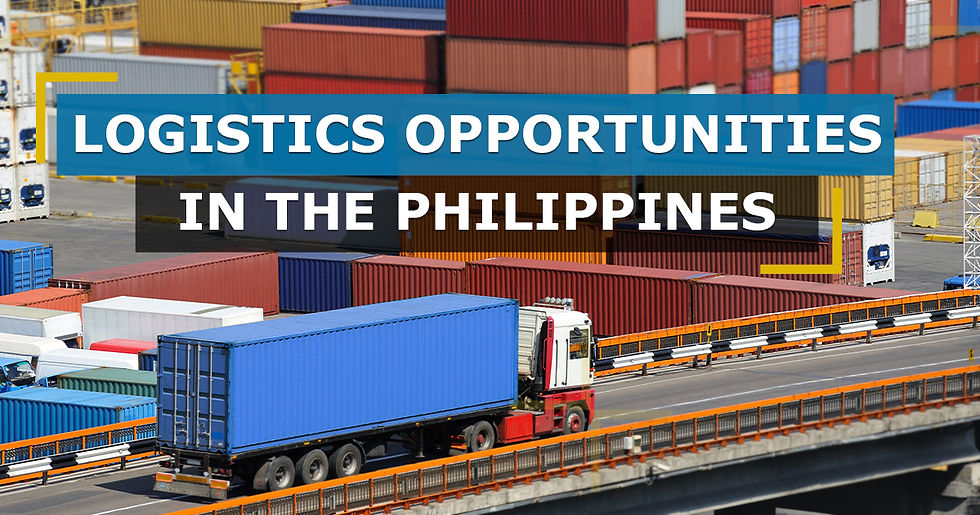
In today's globalized world, efficient cross-border logistics are crucial for connecting businesses across continents. For businesses in the Philippines and Canada, navigating the complexities of international shipping and supply chains can be a daunting task. With unique challenges such as customs regulations, documentation requirements, and the need for both air and sea freight solutions, companies must ensure that their logistics operations are optimized to run smoothly and efficiently. In this post, we’ll explore the key elements of cross-border logistics between the
Philippines and Canada, offering tips and strategies to help businesses optimize their operations and stay competitive in the global marketplace.
The Complexities of International Shipping:
When it comes to cross-border logistics, the first hurdle that businesses must face is the complexities of international shipping. Every country has its own set of regulations, import/export laws, and customs procedures that must be followed. This is especially true for countries like the Philippines and Canada, where different systems govern trade between nations.
One of the primary challenges in international shipping is navigating customs regulations. Customs officers in both the Philippines and Canada play a crucial role in ensuring that shipments meet the required standards for entry. Goods must be declared accurately, with all necessary documentation provided, including invoices, bills of lading, and certificates of origin. Missteps here can lead to delays, fines, or even confiscation of goods.
Customs Documentation: Each country has a specific set of required documentation, and it’s essential for businesses to ensure they comply with these regulations. In Canada, for example, importers must adhere to Canada Border Services Agency (CBSA) regulations, while the Philippines requires businesses to comply with the Bureau of Customs. Proper documentation, including commercial invoices, packing lists, certificates of origin, and import permits, is vital to avoid costly delays or issues at the border.
Additionally, each nation has different tariffs and duties that can impact the overall cost of goods. Businesses must have a clear understanding of these taxes to calculate the full landed cost of imported or exported goods. This means having a solid grasp on the Harmonized System (HS) codes and how they apply to your products, as well as knowing any exemptions or special trade agreements that may be available, such as the Canada-Philippines Free Trade Agreement.
The Role of Air Freight in Cross-Border Logistics:
Air freight plays a crucial role in facilitating fast, efficient, and reliable cross-border logistics between the Philippines and Canada. With a focus on speed and reliability, air freight is ideal for high-value or time-sensitive shipments. In fact, for certain industries like electronics, pharmaceuticals, and automotive parts, air freight is often the preferred method of transportation due to its ability to deliver goods quickly and safely.
In the Philippines, major international airports like Ninoy Aquino International Airport (NAIA) in Manila and Mactan-Cebu International Airport are central hubs for international air shipments. In Canada, Toronto Pearson International Airport and Vancouver International Airport (YVR) serve as key gateways for goods coming into the country. Efficient air freight services between these countries ensure that goods are delivered quickly, especially for businesses that operate in fast-moving sectors.
However, air freight comes with its own set of challenges, particularly regarding cost and capacity. While it’s ideal for high-value goods, the cost of air freight can be significantly higher compared to sea freight, particularly when shipping larger quantities of goods. Businesses need to assess their priorities—whether it’s speed or cost—and determine the best balance between air and sea freight for their specific operations.
The Role of Sea Freight in Cross-Border Logistics:
For businesses looking to move large volumes of goods between the Philippines and Canada, sea freight is often the most cost-effective solution. Sea freight allows for the movement of heavy, bulky, and low-cost goods across international waters, and it’s essential for businesses involved in industries like manufacturing, agriculture, and consumer goods.
The Port of Manila in the Philippines and Port of Vancouver in Canada are major trade hubs in their respective countries, handling the bulk of international sea shipments. These ports are equipped with state-of-the-art container handling facilities and offer direct connections to international shipping routes.
Sea freight, while cost-effective, is significantly slower than air freight, and businesses need to plan for longer shipping times. Additionally, managing sea freight comes with its own set of challenges, including customs clearance, container availability, and delays due to weather conditions. However, businesses can optimize sea freight operations by working closely with experienced freight forwarders and logistics providers to minimize delays and ensure timely delivery.
Tips for Optimizing Cross-Border Logistics Operations:
Successfully managing cross-border logistics between the Philippines and Canada requires careful planning, attention to detail, and a deep understanding of the logistics processes. Here are a few tips to help businesses optimize their operations:
Work with Experienced Freight Forwarders: Freight forwarders specialize in coordinating shipments between countries and navigating the complexities of international logistics. Partnering with a trusted freight forwarder who understands the regulations in both the Philippines and Canada can help ensure that shipments are processed smoothly and efficiently.
Leverage Technology for Real-Time Tracking: Investing in digital tools such as real-time tracking systems and logistics software can provide businesses with greater visibility into their shipments. By tracking goods in transit, businesses can anticipate delays, optimize routes, and provide customers with accurate delivery times.
Streamline Customs Processes: Understanding and complying with customs regulations is crucial for avoiding delays and fines. Businesses should ensure they have the right documentation ready and consider working with a customs broker to expedite the clearance process.
Diversify Shipping Methods: A mix of air, sea, and even land freight is often necessary to meet the varying needs of cross-border logistics. By evaluating the specific needs of each shipment and choosing the right mode of transportation, businesses can balance speed, cost, and capacity effectively.
Monitor Tariffs and Duties: Staying up-to-date on tariffs, taxes, and potential changes in trade agreements is essential for budgeting and cost management. Businesses should continually assess the impact of these factors on their operations and adapt accordingly.
Optimize Inventory Management: Managing inventory across borders can be challenging, especially when balancing multiple shipping methods. Implementing an inventory management system that integrates with logistics operations can help businesses keep track of stock levels, reduce excess inventory, and streamline supply chain processes.
Cross-border logistics between the Philippines and Canada present both opportunities and challenges. By understanding the complexities of international shipping, leveraging the right mix of air and sea freight, and employing best practices for customs and inventory management, businesses can optimize their cross-border logistics operations. With the right strategies in place, businesses can bridge the gap between the two nations and improve their global supply chain efficiency, ultimately ensuring timely delivery and enhanced customer satisfaction.
Ready to optimize your cross-border logistics operations? Contact us at Mondial Logistics to discuss how we can streamline your shipping process between the Philippines and Canada and help your business thrive in the global market.


Comments